
Milwaukee County // field service and shop
Scissor lift and boom lift repair for Milwaukee.
The shop is in Germantown, off the US-41 and US-45 corridor, about 30 minutes northwest of downtown. All of Milwaukee County is inside the field radius.
Repair, ANSI A92 annual inspections, machine sales, and serial-matched parts, backed by 60+ combined years.
Repair in Milwaukee
A short drive, and the machine gets read before it gets quoted.
Milwaukee County work looks different depending on which part of it you are standing in. Warehouse and distribution corridors run scissor lifts hard and continuously, and those machines fail in predictable ways: batteries and chargers, drive and lift circuits, interlocks that start refusing. Manufacturing plants and facilities maintenance crews tend to run a small mixed fleet where one machine down is genuinely disruptive. Commercial construction and new builds lean on booms, working outside, at height, in weather. Event venues need machines that are documented and dependable on a schedule that does not move.
The process does not change with the jobsite. The analyzer goes on first, stored and active fault codes get read, and the failure gets traced to the component rather than the symptom. Then you get the findings, the plan, and the price before any work begins.
Scissor lifts, boom lifts, and telehandlers are the core of the work. Warehouse forklifts share the same bay: if it runs on hydraulics and an engine or a battery pack, the technicians who diagnose scissor lifts and telehandlers can work on it. Forklift parts access varies by brand, so the data plate comes first and we tell you which parts we can get and how long they take.
Annual inspections
The 12-month cycle, documented
ANSI A92 puts every aerial lift on a 12-month annual inspection. The standard allows a little room past that, but nobody should be cutting it close, and a fleet that drifts out of cycle is a paperwork problem before it is a safety problem.
Warehouses are the common case here: several scissor lifts bought around the same time, all due around the same time. Batching them into one visit keeps the machines available and the documentation aligned. Every unit gets a written report, and because the inspectors are the same technicians who do the repairs, plenty of findings get corrected on the same visit instead of becoming a second trip.
If a machine should not run, it gets red-tagged and the reason gets written down. You get the honest answer either way.
Machines and parts
Buying a machine, or keeping one running
If a Milwaukee County job needs a machine rather than a repair, we source to your spec and inspect it before handoff. The people spec'ing it are the people who repair this equipment, which tends to produce different advice than a listing does. Machine sales go anywhere.
For parts, the serial number does the work. Send a photo of the data plate and the part gets matched against the exact configuration your machine was built with, not a guess at a model year. Serial-matched parts ship nationwide, and the counter is the same people who put them on machines.
How intake works
Two ways in, both of them normal
We drive to you
Field service runs across Milwaukee County. It suits hydraulic and electrical faults, function and interlock problems, and annual inspections on a fleet that cannot all leave at once. A machine in the Menomonee Valley, near the airport, or up in the northern suburbs sits well inside the field radius.
The machine comes to us
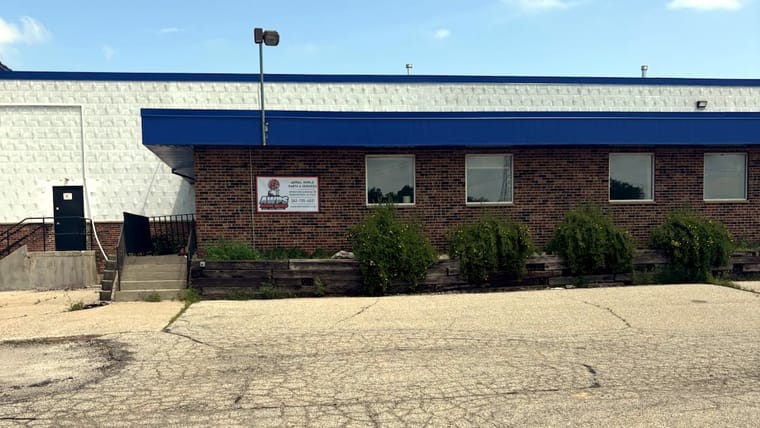
The Germantown bay is about 30 minutes northwest of downtown on the US-41 and US-45 corridor. Work that wants the machine apart, a cylinder pulled, or an unhurried diagnostic session goes faster here, with the parts shelf in the same building.
What to send first
Model, serial, and a photo of the data plate, plus the symptom in plain words. Fault codes if the machine is showing them. That one plate photo prevents most of the back and forth and often saves a trip.
Service scope
Field repair covers about 100 miles: southeastern Wisconsin, out to Madison and the Dells. Annual inspections travel farther, into Michigan and Illinois, and machine sales go anywhere. Field repair work stays in Wisconsin. The shop accepts machines from anywhere, and parts ship everywhere.
Questions
Milwaukee questions
Do you come to us, or does the machine come to you?
Both are true, and the fault usually decides which is faster. Field service runs across Milwaukee County for the work that goes well on site: hydraulic and electrical faults, function and interlock problems, annual inspections on a fleet that cannot all leave at once. Work that wants the machine apart, a boom sectioned, or a long diagnostic session goes better in the Germantown bay. Tell us the symptom and we will tell you which one saves you time.
How far is the shop from Milwaukee?
The shop sits in Germantown, off the US-41 and US-45 corridor, roughly 30 minutes northwest of downtown Milwaukee. All of Milwaukee County is inside the field radius, so a machine in the Menomonee Valley, out by the airport, or up in the northern suburbs is a normal field call rather than an exception.
Can you inspect a whole fleet in one visit?
Usually, and it is the sensible way to do it. Warehouses tend to run several scissor lifts on the same 12-month cycle, and batching the annual inspections into one visit keeps the paperwork aligned and the machines available. Send the model and serial for each unit and we will schedule around your shift.
Do you work on forklifts too, or only aerial lifts?
Yes. A warehouse forklift goes to the same bay and the same technicians as a scissor lift or telehandler, as long as it runs on hydraulics and an engine or a battery pack. Forklift parts access varies by brand, so send the data plate and we tell you which parts we can get and how long they take before the machine comes apart.
What do you need from me to get started?
Model, serial, and a photo of the data plate, plus the symptom in your own words. The serial pins the exact configuration the machine was built with, which is what the fault codes and service literature are keyed to. That one photo prevents most of the back and forth.
Start the intake
Start a Milwaukee service request.
Model, serial, and a photo of the data plate get you the fastest, most accurate answer. We reply during shop hours, Monday to Friday, 7:00 AM to 4:30 PM Central.